7 natural forms of magnesium in food
Magnesium is an essential mineral that plays a crucial role in numerous bodily functions, from energy production to muscle and nerve function. Despite its importance, many people do not consume adequate amounts of magnesium in their diets, which can lead to various health issues, including fatigue, muscle cramps, and even chronic diseases. Fortunately, natural sources of magnesium are abundant in a variety of foods, making it easier to incorporate this vital nutrient into one’s daily meals. In this article, we will explore the diverse range of magnesium-rich foods, including vegetables, fruits, nuts, seeds, whole grains, and legumes, while also discussing their health benefits, recommended intake levels, and practical tips for enhancing magnesium absorption in the diet. By understanding and utilizing these natural forms of magnesium, you can take significant steps toward improving your overall health and well-being.
# Natural Forms of Magnesium in Food
## Introduction to Magnesium: Importance and Benefits
### What is Magnesium?
Magnesium is more than just a fancy term you hear at health seminars or while scrolling through your Instagram feed; it's an essential mineral that plays a myriad of roles in our bodies. Think of magnesium as a backstage crew member of a concert—unseen but crucial for ensuring everything runs smoothly. It’s involved in over 300 biochemical reactions, making it a superstar in the world of minerals.
### The Role of Magnesium in the Body
In the grand symphony of bodily functions, magnesium harmonizes with other nutrients to support muscle and nerve function, regulate blood pressure, and even keep your heart on beat. It helps convert food into energy and, perhaps most importantly, aids in the creation of DNA and RNA—because who doesn’t want to have their genetic material properly organized?
### Health Benefits of Adequate Magnesium Intake
Getting enough magnesium can lead to a host of health benefits, like improved sleep, better mood regulation, and even reduced risk of chronic diseases. It can help alleviate muscle cramps and tension, and some studies suggest it may play a role in preventing migraines. In short, keep your magnesium levels topped up, and you might just feel like a rockstar in your own life!
## Natural Sources of Magnesium in Food
### Understanding Bioavailability of Magnesium
Now, before you race out to chug a magnesium supplement, let’s talk about bioavailability. This term refers to how well your body can absorb and use the magnesium from food. Not all magnesium sources are created equal—factors like the food matrix, preparation methods, and even your gut health can affect absorption. So, while a handful of nuts might be a magnesium-rich snack, how your body handles it can vary widely.
### Comparative Analysis of Food Sources
Some foods pack a punch when it comes to magnesium content, while others merely tiptoe around it. Dark leafy greens, nuts, whole grains, and legumes tend to be the heavyweights of the magnesium world, while processed foods are often sadly lacking. To maximize your intake, focus on wholesome, minimally processed options. Remember: the more colorful your plate, the more likely you are to level up your magnesium game!
## Vegetables Rich in Magnesium
### Top Magnesium-Rich Vegetables
If you're eyeing fewer carbs and more greens, rejoice! Vegetables are a fantastic source of magnesium. Spinach, Swiss chard, and kale are at the top of the heap, each serving up a hearty helping of this essential mineral. Other contenders include broccoli, Brussels sprouts, and artichokes—yes, the humble artichoke packs a nutritional punch!
### Cooking Methods and Their Impact on Magnesium Content
But hold your horses before you toss that spinach into a boiling pot! The way you prepare your vegetables can dramatically affect their magnesium levels. Boiling can cause some loss of magnesium, while steaming and sautéing generally keep more of that precious mineral intact. So, channel your inner gourmet chef and opt for cooking methods that preserve the nutrient integrity. Your body will thank you!
## Fruits as a Source of Magnesium
### Magnesium-Rich Fruits to Include in Your Diet
Fruits might not be the first thing that comes to mind when you think of magnesium, but they offer a surprisingly decent dose! Bananas, avocados (which are basically nature's butter), figs, and blackberries are excellent choices. They’re not just delicious; they’re also stealthy magnesium sources that can sneak into your diet without much fuss.
### Seasonal Availability of Magnesium-Rich Fruits
Timing is everything, especially when it comes to fresh produce. Seasonal fruits not only taste better but also offer the best nutritional value. For instance, you might find an abundance of blackberries in summer or reach for figs in late summer to fall. Keeping an eye on the seasons will help ensure that your magnesium intake remains fresh, fun, and flavorful!
There you have it—a whistle-stop tour through the wonderful world of magnesium in our food. Now, go forth and fuel your body with these magnesium-rich delights!# Natural Forms of Magnesium in Food
## Nuts and Seeds: Powerhouses of Magnesium
When it comes to munching our way to better health, nuts and seeds are the unsung heroes. Not only do they satisfy those snack cravings, but they also pack a magnesium punch that can help support your overall well-being. Who knew being healthy could be this crunchy?
### Best Nuts for Magnesium Content
If you’re looking to boost your magnesium intake, look no further than almonds, cashews, and Brazil nuts. Almonds top the charts with a whopping 76 mg of magnesium per ounce (about 23 nuts, or roughly enough to distract you from your work for 10 minutes). Cashews come in second, offering about 74 mg per ounce, while Brazil nuts serve up around 107 mg per ounce, making them a solid contender in the magnesium arena. So, next time you're reaching for a snack, just remember: nuts are not just for squirrels.
### Seed Varieties High in Magnesium
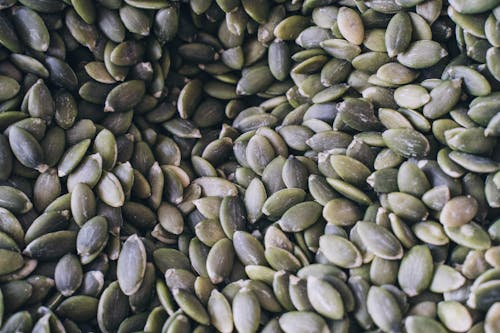
Seeds are essentially the tiny powerhouses of the plant world, and some varieties are particularly rich in magnesium. Pumpkin seeds, for instance, are like nature's little gold mines, providing around 168 mg of magnesium per ounce! Flaxseeds and chia seeds also contribute to your daily intake, with about 40 mg and 95 mg per ounce, respectively. Sprinkling these over salads or blending them into smoothies can help you sneak in that extra magnesium without even trying (and who doesn’t love zero effort?).
## Whole Grains and Legumes: Magnesium-Rich Options
Whole grains and legumes are not just for the health nuts of the world—they're delicious, versatile, and packed with magnesium. So let's dive into this category of foods that might just help you feel fabulous from the inside out.
### Whole Grains: The Best Choices for Magnesium
When it comes to whole grains, your best bets are quinoa, brown rice, and oats. Quinoa, often hailed as a superfood, contains about 118 mg of magnesium per cooked cup, which is more than a little bit impressive. Brown rice and oats offer around 84 mg and 61 mg per cooked cup, respectively. Incorporating these grains into your meals will not only keep you full but also fuel your magnesium needs like a champ.
### Legumes and Their Contribution to Magnesium Intake
Beans, lentils, and chickpeas are not just for taco night—they're also magnesium-rich and oh-so-good-for-you. One cup of black beans can deliver about 60 mg of magnesium, while lentils provide around 71 mg per cup. Chickpeas, being the versatile little gems they are, can offer approximately 79 mg. So, go ahead and throw them into your salads, stews, and snacks. Your body will thank you!
## Daily Recommended Intake and Food Pairings
Understanding how much magnesium you need daily will help you get the most out of your food choices. Let’s break it down into a digestible nugget of information.
### Recommended Dietary Allowances for Different Age Groups
The recommended dietary allowances (RDAs) for magnesium vary by age and gender. Adults generally need between 310 to 420 mg daily, depending on their gender and life stage. Pregnant individuals may need a bit more (around 350-400 mg), so it’s best to keep this in mind while planning your meals. Don’t let these numbers intimidate you—filling your plate with magnesium-rich foods can easily get you there!

### Combining Foods for Enhanced Magnesium Absorption
Now that you know how much magnesium you need, let’s chat about how to optimize its absorption. Pairing magnesium-rich foods with vitamin D or calcium sources can enhance uptake. Think of enjoying almonds with a side of yogurt or sprinkling seeds into a vitamin D-rich smoothie. It’s like a party on your plate where magnesium is the guest of honor!
## Conclusion: Incorporating Magnesium into Your Diet
You’ve learned about the fabulous food sources of magnesium, and now it's time to put that knowledge to good use. Let's wrap it up with some practical ways to incorporate this mineral into your diet.
### Practical Tips for Increasing Magnesium Intake
Start simple—add a handful of nuts to your morning oatmeal, swap white rice for quinoa, or toss some beans into your salads. Planning meals around these magnesium-rich options doesn’t have to feel like a chore. Plus, experimenting with new recipes can be a fun (and delicious) adventure.
### Final Thoughts on Natural Magnesium Sources
Incorporating magnesium into your diet might just be the easiest and tastiest decision you'll make. By nurturing your body with these natural food sources, you’re not just eating; you’re investing in your health. So, grab a handful of nuts, whip up a quinoa salad, and let magnesium do its magic! Happy munching!In conclusion, incorporating magnesium-rich foods into your diet is a straightforward and effective way to support your overall health. By including a variety of vegetables, fruits, nuts, seeds, whole grains, and legumes, you can easily meet your daily magnesium needs and enjoy the numerous benefits this essential mineral offers. Remember to consider food pairings that enhance magnesium absorption and to consult with a healthcare professional if you have concerns about your magnesium intake. Making these dietary adjustments can lead to improved energy levels, better muscle function, and enhanced well-being, helping you lead a healthier life.
Frequently Asked Questions
1. What are the symptoms of magnesium deficiency?
Magnesium deficiency can lead to various symptoms, including muscle cramps, fatigue, weakness, irritability, and abnormal heart rhythms. In severe cases, it may contribute to more serious health issues like osteoporosis and cardiovascular diseases.
2. Can I get enough magnesium from a vegetarian or vegan diet?
Yes, a well-planned vegetarian or vegan diet can provide sufficient magnesium. Foods such as leafy greens, nuts, seeds, whole grains, and legumes are excellent sources of magnesium, making it easy for those following plant-based diets to meet their nutritional needs.
3. How can I enhance the absorption of magnesium from food?
To enhance magnesium absorption, consider pairing magnesium-rich foods with those high in vitamin D and certain proteins. Cooking methods, such as steaming or boiling, can also affect magnesium levels, so opt for methods that preserve nutrient content, like lightly steaming vegetables.
4. Are magnesium supplements necessary if I eat a balanced diet?
In most cases, if you eat a balanced diet rich in magnesium-containing foods, supplements are not necessary. However, individuals with specific health conditions, dietary restrictions, or higher needs may benefit from supplementation. It's always best to consult a healthcare professional before starting any new supplement regimen.



Comments
Post a Comment